

Future-Proofing: 5 Garment Trends for 2026
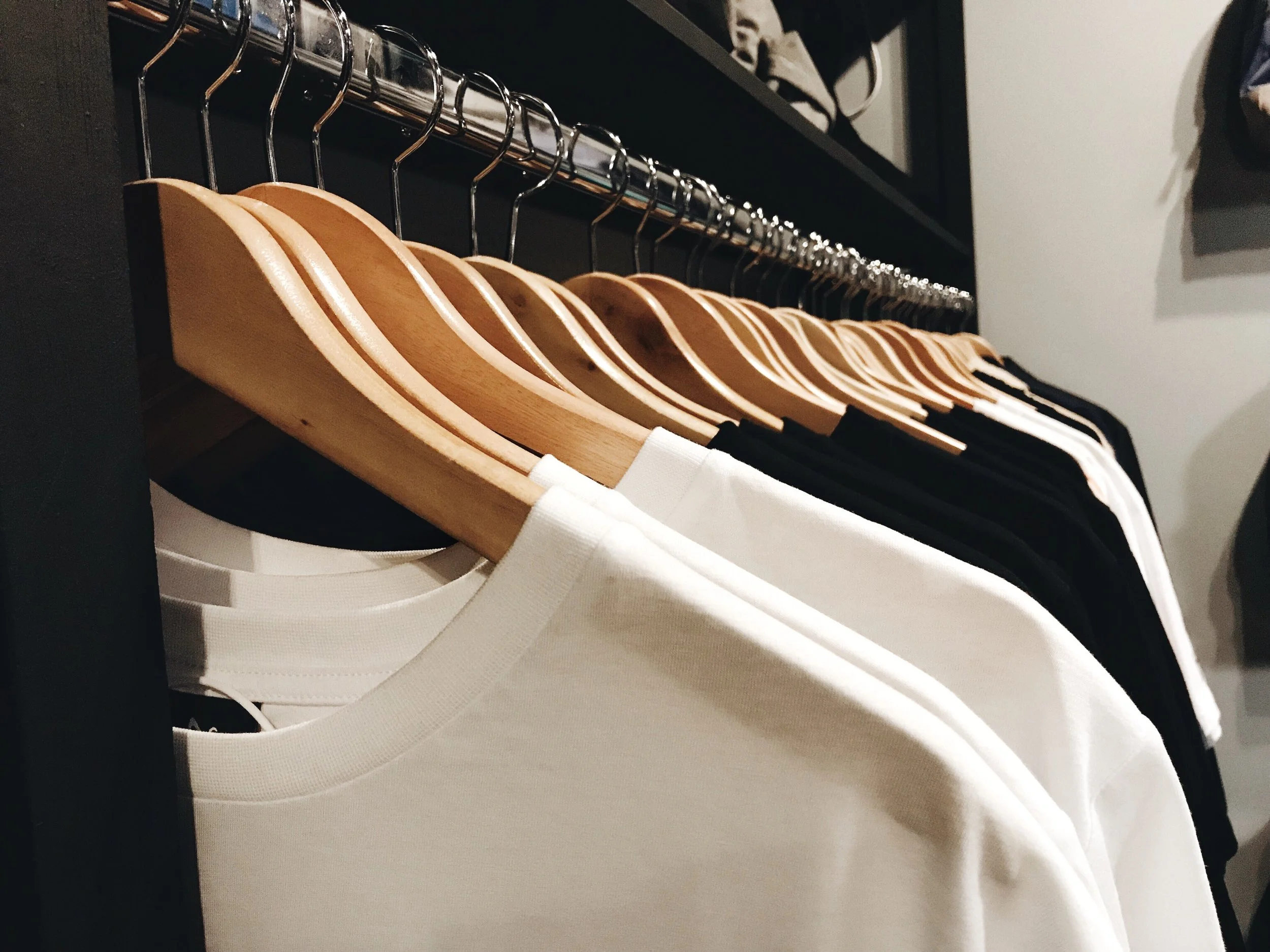
The industry standard for promotional merchandise is outdated. For the last decade, volume took precedence over value. The result is a market saturated with disposable items that degrade rapidly.
That trend has been slowly shifting, however.
Forecasts indicate a continued shift toward "Quiet Quality." B2B buyers now prioritize longevity and material density. The goal is to produce fewer items with higher utility.
For Q1 and Q2 planning, use these five indicators to ensure inventory remains relevant.
1. Color Forecast: Teal and Bone
High-contrast "tech" colors are declining. The WGSN forecast for 2026 prioritizes organic, stabilizing hues.
Transformative Teal: A deep blue-green. It provides a stable, professional alternative to navy.
Cloud Dancer: A chalky off-white. This tone replaces optical bleach white. It offers a premium, natural aesthetic.
Application: Replace standard black or heather grey staff hoodies with mineral-wash teal or bone-colored canvas.
2. Material Density: 220 GSM Standard
Weight determines perceived value.
Standard promotional t-shirts average 140 GSM (grams per square meter). These garments lose structure after minimal wash cycles. The new baseline for corporate merchandise is 220 GSM.
Texture: Seek "hyper-texture" fabrics. Heavyweight US-grown cottons and mineral washes provide a dry, substantial hand feel.
Utility: A 220 GSM garment retains its silhouette. It functions as a retail-grade staple rather than a disposable promotional tool.
3. Circular Utility
Sustainability is a baseline requirement, not a feature. The focus has shifted from recycled polyester to bio-based utility.
Regenerated Cotton: We prioritize 100% recycled cotton tees. These are produced entirely from manufacturing waste.
The Narrative: This approach eliminates new water and dye usage. It presents a tangible commitment to waste reduction.
4. The Structured Silhouette
The slim-fit, long-body cut is obsolete. The 2026 standard is the Boxy Fit.
The Dimensions: Wider shoulders, shorter body length, relaxed sleeves.
The Function: This cut structures the wearer rather than clinging. It provides a professional, uniform look suitable for diverse body types.
5. Tonal Branding
Large center-chest logos are phasing out. The market favors Tonal Branding.
Execution: Thread color matches fabric color.
Placement: Logos move to the nape of the neck, wrist cuff, or bottom hem.
Result: The garment becomes versatile for non-work environments. This increases total impressions over the lifespan of the item.
The 2026 Collection
We have identified a few blanks from our manufacturing partners that meet these density and design standards.
The Heavyweight Tee
Stanley/Stella Freestyler: 240 GSM. 100% Organic Cotton. Engineered with a dry hand feel and oversized cut. It bridges the gap between luxury sustainability and streetwear weight.
Los Angeles Apparel 1801GD: 6.5oz, garment-dyed, shrink-free. This is the industry standard for streetwear weight.
Shaka Wear Max Heavyweight: A dense, rugged option. Excellent structure retention.
AS Colour Heavy Faded Tee (5082): A softer approach to the boxy fit with a retail-ready finish.
Structured Fleece
House of Blanks Pullover Hood: High-density fleece with a structured hood. Unbranded and durable.
Independent Trading IND5000: A 13.5oz cross-grain fleece. Offers premium weight at accessible volume pricing.
Circular Ecology
Everybody.World "Trash Tee": Made from 100% waste cotton. The texture is unique and intentionally irregular.
Original Favorites Heavyweight Organic: GOTS-certified organic cotton. High softness for executive gifting.
Headwear
Weld Mfg Field Trip Hat: Corduroy or Nylon construction. Replaces standard twill for a textured, technical aesthetic.
Palette
Teal: See Comfort Colors 'Blue Spruce' or AS Colour 'Petrol'.
Bone: See Comfort Colors 'Ivory' or LA Apparel 'Cement'.
